
Data-Integrity Alert: Cricket Report Publication Blocked Due to Empty Source Input
सारांश: इस क्रिकेट रिपोर्ट का स्रोत इनपुट पूरी तरह खाली था — कोई शीर्षक, स्रोत, सूचना-बिंदु या पहचाना गया खिलाड़ी/टीम उपलब्ध नहीं था। इसलिए कोई खेल-समाचार प्रकाशित नहीं किया गया; केवल एक प्रक्रिया-चेतावनी जारी की गई है। मुख्य कारण: लेख का मूल पाठ कैप्चर ही नहीं हुआ (संभवतः पेबॉल, जावास्क्रिप्ट रेंडरिंग या स्क्रैपिंग अवरोध)। द्वितीयक कारण: `cricket_asia` लेबल मानक `Cricket` डोमेन से मेल नहीं खाता। आवश्यक सुधार: कच्चे पाठ की लंबाई सत्यापित करना (कम से कम 200 अक्षर), प्रकाशन टाइमस्टैम्प दर्ज करना, क्षेत्रीय लेबल को मानक डोमेन में मैप करना, और संरचित एंटिटी निष्कर्षण अनिवार्य करना। स्थिति: BLOCKED — खाली स्टेज-1 पेलोड; पुनः-निष्कर्षण के बाद ही विश्लेषण संभव। यह सामग्री किसी भी प्रकार की सट्टेबाज़ी सलाह नहीं है; किसी भी क्रिकेट-विशिष्ट दावे को इस इनपुट पर आधारित न मानें।
The Stage-1 deconstruction supplied alongside this report was substantively empty: no article title, no source, no article type, zero information points, and no identified player, team, competition or venue. Under those conditions, any cricket-specific news report could only be produced by inventing entities, statistics and outcomes — the single failure mode the analytical framework explicitly prohibits. This content is therefore presented not as sports journalism but as a process alert.
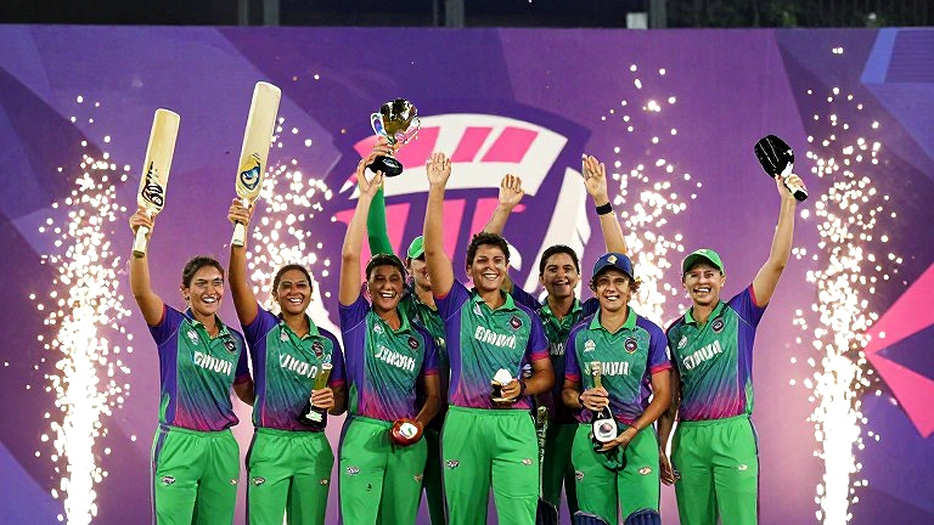
Of the three candidate causes recorded in the analysis, the most probable is an extraction-pipeline failure. The reasoning is that even mechanically populated metadata fields such as title and source are null, and these are normally filled automatically before any semantic processing occurs. Their absence suggests the raw article body never reached the system — plausibly due to a paywall, JavaScript-rendered page, scraping block or encoding problem. A second candidate is domain-routing mismatch: the supplied label cricket_asia does not match the canonical Cricket domain, and a regional sub-label may have left the downstream extractor untriggered. A third, lower-probability cause is that the source was genuinely non-prose — a live-score widget, photo caption or video page.
The practical editorial consequence concerns timeliness. Cricket content decays at very different rates by type: a match report is stale within roughly 48 hours, auction or tournament news within days, while governance and rule-change analysis remains relevant for weeks or months. With no publication timestamp captured, it cannot even be determined whether the underlying material was still usable.
Four concrete remediation steps are recommended. First, verify that the raw HTML or article body was captured as at least 200 characters of prose. Second, record the exact publication time at ingestion so time sensitivity can be assessed later. Third, map regional sub-labels such as cricket_asia to the canonical Cricket domain to prevent recurring extractor mismatch. Fourth, require structured entity output — teams, players, coaches, competitions, venues and dates — during re-extraction, so that an 'empty but well-formed' payload can never be mistaken for an analysed one.
The report also notes that if other articles in the batch pass through the same cricket_asia routing path, the defect is plausibly systematic and other analyses in that batch may share the same void. The recommendation is to mark this record BLOCKED — empty Stage-1 payload and route it to pipeline QA rather than forward it for publication. Any cricket-specific claim, statistic or conclusion derived from this input would not be grounded in the source.